How to Survive GT3 Traffic in iRacing Endurance Races
Handle GT3 and multiclass traffic in iRacing with predictable lines, patient overtaking and decisions that protect the whole endurance stint.
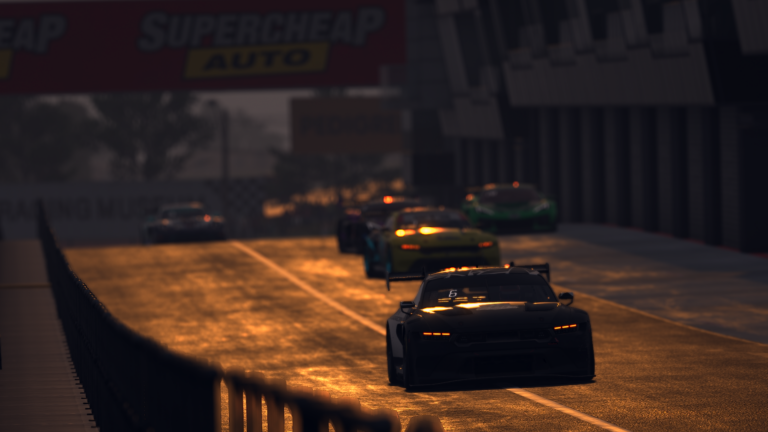
Traffic is where endurance races are won and lost. Not in qualifying. Not in the one lap that looked heroic in practice. In how cleanly and consistently you move through slower cars, and how little time and bodywork you lose doing it.
The fastest way through traffic is usually the least dramatic one. A half-second lift is cheap. Contact, floor damage, or an off-track is not.
Why traffic management matters more than lap time
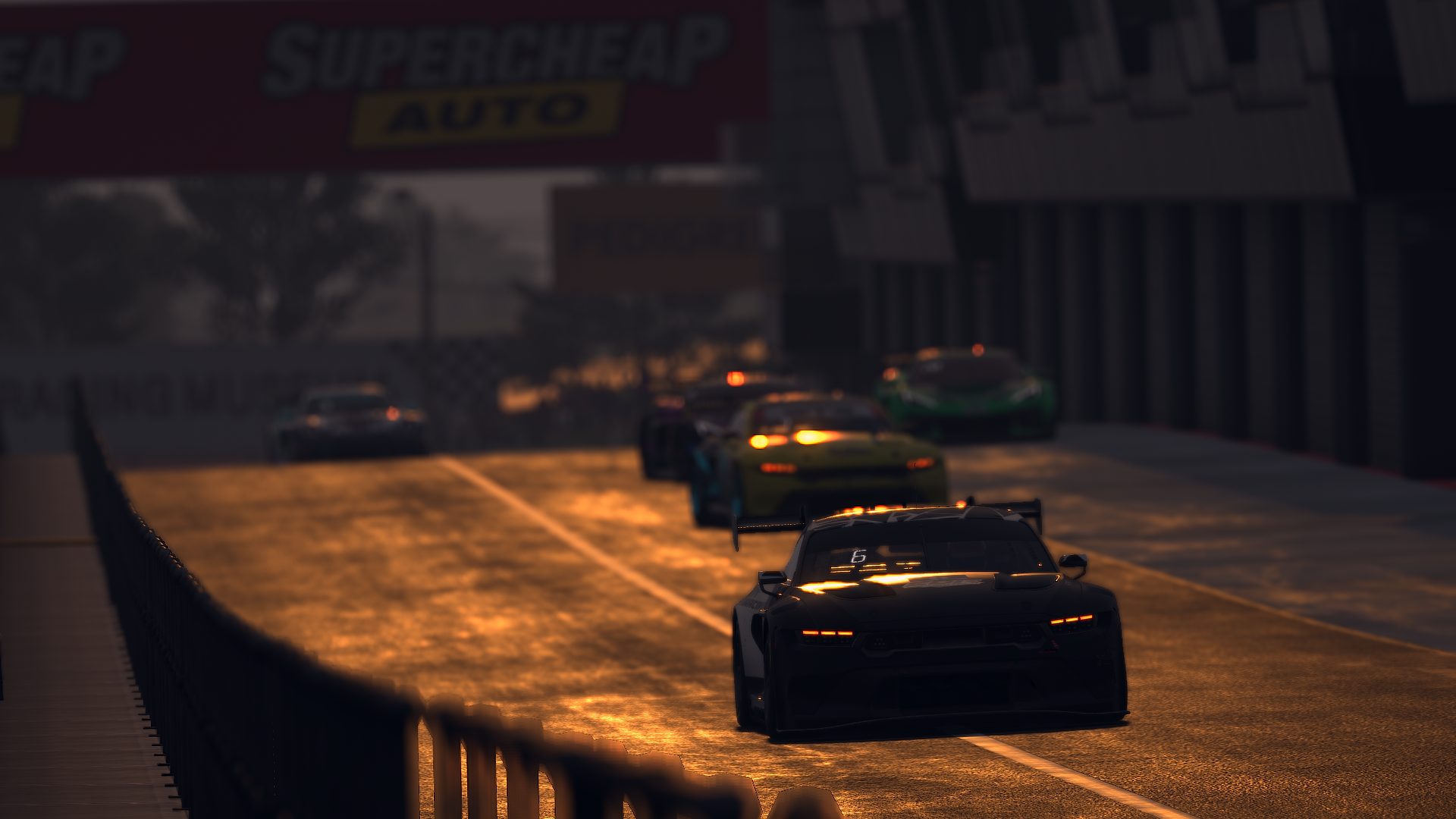
In a sprint race, your pace relative to the cars around you decides almost everything. In endurance, it is one factor among many, and often not the main one. Once the field spreads and the classes separate, traffic becomes the part of the race that keeps testing your judgement.
A clean pass through traffic costs almost nothing. A messy one costs a second, sometimes two. Multiply that across dozens of encounters and the gap becomes huge. Add one bit of contact or one panic move into a braking zone and you can throw away more time than you gained across an entire stint.
Understand the traffic before you try to beat it
Not all traffic asks the same question. Multi-class traffic is about speed differential and predictability. Same-class traffic is about avoiding ego. The hardest version is catching a slower car that is already under pressure from someone else and is no longer making tidy, reliable inputs.
If you are in GT3 and a prototype is arriving behind you, your job is to be predictable, not helpful. If you are catching a slower class car, your job is to plan the pass early and execute it where the circuit gives you room. That distinction matters because most traffic incidents happen when one driver starts improvising in the wrong place.
| Situation | Best Move | Why It Works |
|---|---|---|
| Faster class behind you | Hold your line and stay predictable | Sudden helpful moves cause more chaos than they solve. |
| Catching slower class traffic | Plan the pass before you arrive | The overtake is cleaner when the decision is made early. |
| Same-class lapping | Treat it like traffic, not a duel | Ego turns a routine pass into needless risk. |
| Unpredictable backmarker | Leave more margin than feels necessary | You cannot control their inputs, only your exposure to them. |
The core rules that actually save races
First, be predictable before you try to be fast. Hold your line. Brake where you normally brake. Do not throw in a late move because you suddenly decided to help the pass. Predictability gives both drivers a chance to survive the same moment cleanly.
Second, lose a little time to save a lot. The best endurance drivers back out of the pass that is almost on and complete it one straight later. That feels passive in the moment, but it is how you finish races instead of turning one optimistic move into damage, repairs, and a stupid apology.
Third, plan the overtake before you arrive. As soon as you see a slower car ahead, you should already be asking where on the circuit the move wants to happen. If you wait until you are on the rear bumper, you are not planning anymore. You are reacting.
Be Predictable Essential
The driver who makes clean, obvious inputs is much easier to race around than the driver who keeps helping at the wrong time.
Do Not Force It Race Saver
If the move is not clearly there, it is not there. Wait, reset, and finish the pass somewhere the track actually supports it.
Think Ahead Pressure Point
Most bad traffic moves happen because the driver reaches the slower car before deciding where the pass should happen.
The mistakes that keep ruining endurance runs
The classic error is forcing the car into a braking zone because the closing speed made the move look available. In traffic, especially multi-class traffic, that gap often disappears when the slower car turns in or brakes on its normal mark. If you need surprise to make the pass work, it was a bad pass.
The second big mistake is losing rhythm in dirty air and then overdriving out of frustration. Drivers sit behind traffic for two corners, stop hitting their marks, overheat the tyres, then tell themselves the answer is a bigger send. It rarely is. Usually the answer is to reset, hit the apexes, and wait for a cleaner exit or straight.
The third is getting emotional after contact. Traffic incidents happen, even to good drivers. The important thing is what the next five laps look like. If you let one bad exchange turn into tilted decision-making, you have turned one mistake into a proper race-killer.
How to prepare for traffic before race day
Practise in traffic, not alone. Solo laps are fine for learning reference points, but they teach you nothing about how to judge overlap, how to lose less time behind a slower car, or how to place your own car when the mirrors are busy.
Know the overtaking windows for the track before the race starts. Every circuit has three or four places where a move is usually clean and three or four where it is usually stupid. Work that out in practice, then trust it when the race gets busy.
- Use the relative black box on every straight and know who is arriving before they are on your rear bumper.
- Check mirrors constantly so faster traffic never feels like a surprise.
- Run the other classes in practice if the event is multi-class, because understanding their braking and corner shapes makes them easier to read.
- Set the cockpit up for awareness. A bad mirror setup turns traffic into guesswork.
How traffic changes across the race
Early stints are dangerous because the field is compressed and everyone still thinks the race can be won in the first hour. Mid-race is where traffic skill matters most because the overtakes become constant and the race settles into rhythm. Late stints are where fatigue makes every decision worse, which means your margins need to get bigger, not smaller.
That is the trap. Drivers feel pressure late in the race and start treating every traffic encounter like a last-chance move. Endurance racing usually punishes that. If your patience is fading, your traffic margin should expand to compensate.
Final thoughts
Traffic management is not glamorous, but it decides an absurd number of endurance results. The teams that do it well are not always the fastest in clean air. They are the ones that prepare for it, stay calm when it gets messy, and stop trying to win every overtake on the entry to a corner.
If you take one thing from this guide, make it this. The fastest way through traffic is almost never the most aggressive way. Be smooth. Be predictable. Be patient. The time usually comes back.
Related Endurotech Racing reading
If you want more Endurotech Racing coverage after this guide, the best next move is to follow the related race reports, previews, and team pages.
- Best First GT3 Car in iRacing 2026 — Endurotech Racing Beginner Guide
- How to Start GT3 Racing on iRacing the Right Way
- iRacing Sebring 12 Hour 2026 — Full BOP Breakdown and Endurotech Race Preview
- About Endurotech Racing
- Contact Endurotech Racing
Frequently Asked Questions
What is GT3 traffic management in iRacing endurance racing?
It is the skill of moving through slower cars, handling faster classes, and protecting your own race without bleeding time or bodywork.
Why does traffic matter more than raw pace in endurance racing?
Because over a long race the seconds you lose in messy overtakes and traffic contact add up faster than small pace gains.
What is the biggest traffic mistake in iRacing endurance races?
Forcing low-percentage passes into braking zones when a cleaner chance is only a few corners away.
How should GT3 drivers handle faster classes behind them?
Hold a predictable line, use your mirrors, and let the faster-class car complete the move rather than making a sudden panic move.
How do you practise traffic management before race day?
Run sessions with live traffic, learn the safe overtaking spots, and practise reading the relative box and mirrors under pressure.
What changes late in the race when fatigue sets in?
Your patience and reactions get worse, which means you need bigger margins and fewer optimistic traffic moves.
Apply for 2026
If you want to see the practical version under pressure, follow Endurotech Racing’s stream coverage and wider event prep.
Apply for 2026Watch on Twitch